
India's Leap Towards Sustainable & Innovative Workspace Design
- Industry News
- March 13, 2024


India’s Tier-II cities like Coimbatore and Mysuru are emerging as office space hotspots, driven by hybrid work models, affordable rents, and rising startup activity. Major corporations and coworking providers are expanding beyond metros, despite infrastructure challenges. These cities are reshaping India’s commercial real estate landscape with growing demand and improving connectivity.
READ MORE
India’s commercial office rental market is booming, with Mumbai leading a 28% rise and Hyderabad close behind at 24.1%. Driven by Global Capability Centres, BFSI, and tech firms, prime metros show strong demand for Grade A spaces. Investor confidence remains high as India redefines the future of work.
READ MORE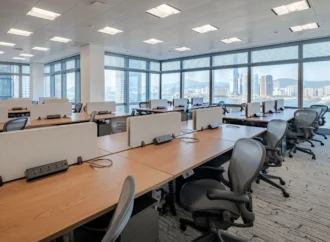
Nearly half of India’s office space is over a decade old, posing risks of low occupancy and outdated functionality. A CBRE study highlights a Rs 500 billion investment opportunity in retrofitting 434 million sq. ft. to meet modern workplace demands and sustain competitiveness across key markets like Bengaluru, Delhi-NCR, and Mumbai.
READ MORE
India’s flexible office market is set to reach ₹600 billion by FY2027, driven by hybrid work trends, enterprise adoption, and rapid expansion across major cities. With rising demand, falling vacancies, and upcoming IPOs, flex spaces are transforming from a niche option into a core component of India’s commercial real estate landscape.
READ MORE
India drove 16% YoY growth in APAC’s office demand, leasing 37 million sq ft in H2 2024. Tech firms and flex operators fueled leasing, while new supply rose 7% YoY. Experts predict continued growth in 2025, increasing demand for modern, flexible, and sustainable office spaces.
READ MORE
India’s real estate market is projected to reach $5.8 trillion by 2047, contributing 15.5% to GDP. Fueled by urbanisation, infrastructure growth, and strong investments, the sector is expanding across residential, commercial, and retail spaces. Domestic Institutional Investors (DIIs) continue driving momentum, ensuring sustained growth despite global market fluctuations.
READ MORE






theflexinsights.com is a platform aiming at being the go-to place for insights, trends and predictions about coworking and flexible workspaces in India. It aims at connecting individuals, businesses and workspaces to create a fostering environment and to propel growth for the overall coworking and flexible workspaces industry within India.
Vatika towers, Golf course road, Gurgaon
India
info@theflexinsights.com