
Converting traditional offices into flexible or coworking spaces meets the growing demand for hybrid work environments. This playbook covers feasibility assessments, modular design, tech integration, and financial considerations. With India’s flex market set to exceed 100 million square feet by 2027, this transformation offers significant opportunities for landlords and developers.
The workplace landscape is changing. Traditional office buildings are being reimagined to accommodate the growing demand for flexibility, collaboration, and hybrid work solutions. Converting a conventional office space into a vibrant coworking or flex asset is becoming a necessity for landlords and property developers seeking to meet today’s workforce’s needs.
This playbook will guide you through the essential steps of transforming a traditional building into a flexible workspace, from feasibility assessments to design principles, and ultimately to financial viability.
Feasibility Assessment
Before you begin tearing down walls or choosing paint colours, it’s crucial to evaluate the building’s current condition and assess its potential for conversion. Start by assessing the building’s layout, structure, and overall adaptability.
Key Considerations:
- Open Floor Plans: Flex spaces thrive on openness. Traditional office layouts with rigid partitions may need to be demolished or modified to create collaborative zones and a sense of fluidity.
- Natural Light & Ventilation: Ensure your building has ample natural light and supports proper air circulation. A Cornell University study found that natural light near windows reduced eyestrain by 51%, headaches by 63%, and drowsiness by 56%, boosting employee experience.
- Modular Setups: The building should be flexible enough to accommodate modular layouts, allowing you to install movable walls, adjustable desks, and easily reconfigurable workspaces. This flexibility will be crucial for meeting tenants’ varying demands.
- Tenant Needs: Conduct surveys and engage with potential tenants to understand their specific requirements. Do they prefer private offices, open desks, or hybrid models? Understanding these needs ensures your space is designed to attract a wide range of tenants, from freelancers to corporate teams.
Key Design Principles
Designing a flexible, coworking-friendly building is an art. The key is to create a space that fosters collaboration, while also offering areas for focus and privacy. Here are the key design principles to consider:
Modular Furniture & Flexible Layouts
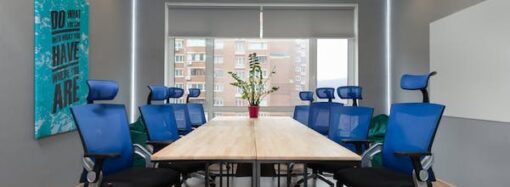
Flexibility is the cornerstone of modern workspaces. To meet the diverse needs of individuals and teams, you’ll need to invest in modular furniture and reconfigurable layouts. Desks, chairs, and walls that can be easily moved or rearranged will let you create a space that evolves.
- Adjustable desks for height and size
- Modular seating arrangements
- Movable partitions to create impromptu private spaces
Collaborative & Private Zones
Balancing open, collaborative areas with private zones is critical. You want to encourage interaction, but you also need to give tenants the option to escape to a quiet space when needed.
- Collaborative Zones: These could include shared meeting rooms, lounges, or open areas where teams can brainstorm, innovate, and collaborate.
- Private Zones: Soundproofed pods, phone booths, or private offices provide spaces for deep work or confidential meetings.
Wellness & Biophilic Design
Adding biophilic elements like plants, natural materials, and outdoor views can significantly boost employees’ well-being, productivity, and creativity. A study by Human Spaces shows biophilic design increases workplace productivity by 6%, creativity by 15%, and wellbeing by 15%. Consider adding:
- Indoor plants and greenery
- Natural light from windows
- Ergonomic furniture and quiet spaces for relaxation
Implementation Steps
Once the design principles are in place, it’s time for the physical transformation. The implementation phase is where ideas become tangible. Follow these steps to ensure a seamless transition from a traditional office to a flexible workspace.
1. Demolish Rigid Partitions
If the building has traditional office setups with closed-off rooms, it’s time to break those walls down, literally. Open up the space by removing partitions that limit flow and creativity.
- Create large, open floor plans for flexibility.
- Add moveable walls and glass partitions that allow for easy modification as needed.
2. Integrate Technology Infrastructure
No modern flexible workspace can function without the right tech. Install high-speed Wi-Fi, smart building systems, and seamless booking tools. Consider software for hot desk management, room reservations, and AV-equipped meeting spaces to enhance convenience and flexibility.
3. Test Layouts & Aesthetic Upgrades
Before finalising the design, create mockups and test layouts to make sure the flow works as expected. Experiment with aesthetics too; vibrant colours, unique art pieces, and a community-driven design will create a welcoming atmosphere.
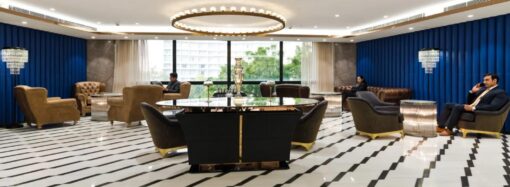
- Incorporate comfortable lounge areas for social interaction.
- Choose decor that fosters a sense of community and creativity.
Financial Viability & Market Fits
Converting a traditional building into a coworking or flex space requires substantial investment, so it’s vital to ensure the project makes financial sense.
1. Project Costs vs. Revenue Potential
Understand the financial outlay required for fit-outs, tech upgrades, and ongoing maintenance. Compare this to the potential revenue from memberships, including day passes, monthly subscriptions, and long-term leases.
- Flexibility in pricing will attract a wider range of tenants.
- Case studies show that flex spaces achieve faster occupancy and often command higher rent premiums than traditional office spaces.
2. Market Research & Demand Assessment
Local demand is another key factor. Conduct thorough market research to understand the demand for coworking spaces in your area. Are there enough startups, freelancers, and remote workers to support your investment? Adapt your offering to match local needs, whether that means more private offices for established companies or larger communal spaces for freelancers.
Final Takeaway
As India’s flex space market prepares for decisive growth, with stock across top cities set to surpass 100 million square feet by 2026, up from 72.3 million square feet in 2025, according to Colliers’ recent report, converting traditional buildings into coworking or flex spaces represents a powerful opportunity.
With proper planning and design, you can create an asset that not only aligns with the evolving work culture but also attracts high-quality tenants. Keep flexibility, collaboration, and tech integration at the forefront of your strategy, and you’ll see strong returns both financially and in tenant satisfaction.
The future of work is flexible; make sure your building is part of it.