
This article explores how office design supports startups, SMEs, and enterprises at different growth stages. It highlights flexible layouts, hybrid integration, meeting infrastructure, enterprise-grade ecosystems, and future workplace trends. It explains how strategic workspace design improves productivity, culture, scalability, and overall business performance.
Office design has shifted from being a background decision to becoming a strategic lever. You feel it the moment you step into a space. The energy, the movement, the way teams interact, the quiet focus zones, the subtle brand cues, everything either supports growth or slows it down.
Across startups, SMEs, and enterprises, one truth stands clear: workspace design directly influences productivity, talent retention, innovation velocity, and even revenue performance. Global workplace research from organisations such as Gensler and Leesman consistently shows that thoughtfully designed offices improve employee engagement, collaboration quality, and overall workplace satisfaction.
Let’s break this down strategically: startup energy, SME expansion, enterprise transformation, and explore how modern office design supports each stage with depth and clarity.
Startup Office Design: Built for Momentum, Identity & Agility
Startups operate at speed. Their office must reflect a clear purpose while remaining adaptable to rapid pivots.
What Defines a High-Performance Startup Workspace?
- Spatial Flexibility as a Core Framework
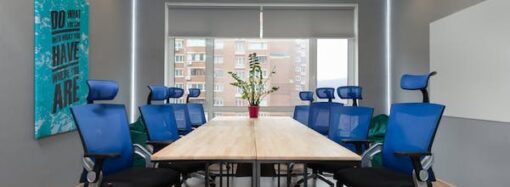
Modular furniture, movable partitions, and multi-use collaboration zones allow teams to reconfigure space within hours. Research across emerging startup hubs shows that flexible layouts improve team alignment and reduce friction during scaling phases.
In coworking environments, this translates into:
- Open collaborative hubs
- Convertible meeting pods
- Expandable desk clusters
- Project-based breakout zones
A startup’s space must grow alongside headcount without forcing a relocation every year.
- Brand Imprint Through Design Language
Startups thrive on culture. Visual storytelling through walls, typography, colour psychology, and spatial storytelling builds identity from day one. A fintech startup may lean toward muted sophistication. A creative tech company may embrace energetic palettes and dynamic lighting. Brand-infused design strengthens internal culture and strengthens client perception.
- Budget-Conscious Yet Experience-Rich Design
Many startup-focused design studies highlight strategic allocation over heavy capital expenditure. Smart lighting layouts, biophilic accents, and acoustic zoning deliver a strong impact at a low cost.
Biophilic design, championed by environmental design researchers such as Stephen Kellert, has been shown to improve cognitive performance and reduce stress. Even compact startup spaces benefit from greenery, daylight optimisation, and natural textures.
Startup Design Blueprint for Flexible Offices
- Shared amenities with a premium experience
- Compact private cabins with acoustic insulation
- Central community lounges to drive networking
- Writable walls for rapid ideation
- Tech-enabled plug-and-play infrastructure
Startup clients seek energy, affordability, and scalability within the same ecosystem.
SME Office Design: Structured Growth with Cultural Stability
As SMEs grow, teams become organised into departments and systems become clearer, but the company still needs to stay flexible and responsive.
SME office design requires structure without rigidity.
Key Design Pillars for SMEs
- Departmental Zoning Without Isolation
Clear zoning enhances accountability and workflow clarity. Glass partitions maintain visual connection while providing acoustic separation. This approach balances privacy and collaboration.
- Meeting Infrastructure as a Growth Engine
SMEs experience rising client interactions, vendor negotiations, and internal strategy discussions. Meeting rooms evolve from basic conference tables into tech-integrated collaboration suites.
Essential elements:
- Video conferencing systems: High-definition cameras, AI-enabled framing, noise filtering, and seamless multi-location connectivity.
- Acoustic panelling: Sound-absorbing wall treatments and ceiling baffles that reduce echo and protect conversation privacy.
- Smart scheduling displays: Real-time room availability screens integrated with calendar platforms and booking analytics dashboards.
- Adjustable lighting: Layered ambient and task lighting that adapts for presentations, brainstorming sessions, and client meetings.
In flexible workspace environments, premium meeting infrastructure becomes a key revenue driver.
- Hybrid Work Integration
Hybrid structures have reshaped workplace planning globally. Organisations such as McKinsey & Company highlight that hybrid flexibility influences talent attraction and retention across mid-sized companies.
Design implications include:
- Hot-desking clusters: Flexible shared desk neighbourhoods designed for rotating teams and optimised daily occupancy.
- Reservable workstations: App-enabled desks with digital booking systems and personalised ergonomic configurations.
- Collaboration-heavy office days: Layouts prioritising team interaction zones during peak in-office scheduling windows.
- Quiet zones for deep focus: Acoustically insulated spaces designed for concentration-intensive analytical or creative tasks.
For coworking providers, SMEs value long-term flexibility contracts paired with semi-private, customised areas.
- Cultural Anchors Within the Space
SMEs often struggle with cultural dilution during expansion. Design counters this by embedding:
- Mission walls: Branded visuals showcasing company values, milestones, and long-term vision.
- Founder storytelling corners: Spaces highlighting origin stories, leadership journey, and core philosophy.
- Community boards: Displays featuring team achievements, updates, and collaborative initiatives.
- Informal team gathering areas: Relaxed lounge spaces fostering spontaneous conversations and team bonding.
Enterprise Office Design: Strategy, Scale & Experience Engineering
Enterprises operate at scale, and their offices function as strategic ecosystems rather than single workplaces.
What Modern Enterprises Prioritise
- Activity-Based Working (ABW)
Activity-based design assigns space based on task type, including focus, collaboration, innovation, learning, and socialisation. Large-scale research by Harvard Business Review emphasises that environments supporting varied work modes enhance overall organisational performance.
Enterprise layouts typically include:
- Silent concentration libraries: Dedicated quiet zones designed for deep focus and strategic thinking.
- Innovation labs: Collaborative experimentation spaces supporting product development and creative problem-solving.
- Executive briefing centres: High-tech presentation rooms designed for leadership meetings and stakeholder discussions.
- Wellness suites: Private spaces supporting mental health, relaxation, and employee well-being initiatives.
- Training auditoriums: Large-capacity rooms equipped for workshops, learning programs, and town halls.
Flexible workspace providers increasingly build enterprise-grade managed offices to meet these expectations.
- Data-Driven Space Optimisation
Enterprises analyse space utilisation metrics. Sensor-based occupancy tracking and desk booking data inform future design decisions. Smart buildings integrate:
- IoT sensors: Real-time occupancy and environmental sensors optimising workplace efficiency.
- AI-driven HVAC systems: Intelligent climate control systems enhancing comfort and energy efficiency.
- Energy optimisation dashboards: Digital monitoring tools tracking consumption patterns and sustainability performance.
Sustainability frameworks, such as those from organisations such as the U.S. Green Building Council, influence enterprise decisions regarding LEED-certified infrastructure.
- Employee Experience as a Business Metric
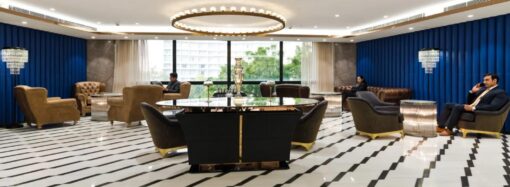
Workplace design influences retention, engagement, and brand positioning. Enterprises invest in hospitality-inspired design elements:
- Concierge-style receptions
- Premium café zones
- Wellness pods
- Meditation rooms
- Outdoor terraces
Design Trends Shaping the Future of Workspaces
Drawing from global architecture and workplace studies, several macro-trends define the next decade:
- Biophilic Immersion: Natural materials, vertical gardens, daylight-maximised layouts, and indoor air quality monitoring improve cognitive performance and emotional well-being.
- Hospitality-Driven Offices: Influenced by boutique hotel design, workspaces integrate warmth, comfort, and curated ambience.
- Neurodiversity-Conscious Design: Quiet zones, sensory-friendly lighting, acoustic balance, and flexible seating support diverse cognitive styles.
- Sustainable Infrastructure: Energy-efficient lighting, recycled materials, low-VOC paints, and green certifications influence leasing decisions across enterprises and conscious startups.
- Technology-Integrated Environments: AI-powered room booking, smart lighting automation, seamless connectivity, and immersive collaboration tools define modern office ecosystems.
Bringing It All Together
Office design now stands at the intersection of psychology, technology, sustainability, and brand strategy. It shapes collaboration, influences hiring success, and strengthens operational efficiency.
For startups, design fuels ambition, for SMEs, design structures growth, and for enterprises, design engineers experience at scale. When planning your next workspace, the decisions go beyond furniture and layouts. The space you create influences culture, collaboration, and overall business performance.
A well-designed office carries silent influence. It communicates purpose. It builds energy. It strengthens collaboration. And most importantly, it adapts alongside ambition.
That is the future of workspace design: intentional, flexible, research-driven, and deeply human.