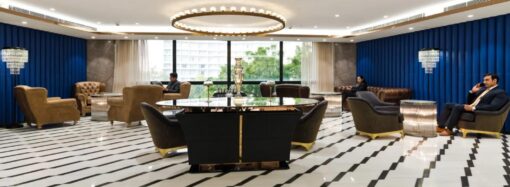

Flexible workspaces have evolved from niche startup hubs to mainstream solutions for corporations and global enterprises, driven by the need for agility, cost-efficiency, and resilience. With recent economic and security challenges—like COVID-19 and regional tensions—businesses increasingly view long-term leases as liabilities and seek office models tailored to rapid change.
Major Transformation in Workplace Strategy
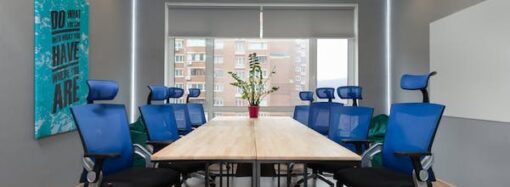
What began as a platform for small businesses to share space is now at the heart of the real estate transformation. Traditional offices are struggling to keep up with fluid business needs, while flexible models allow companies to scale up or down quickly, adapt layouts, and foster internal communities.
Economic and Human Benefits
Research shows that adopting flexible office models can cut operational costs by about 25%, mostly through shared services and reduced space requirements. On the human side, well-designed flexible offices boost productivity by 10–20%, improve well-being, and decrease staff turnover. Inclusive environments—rich with collaborative zones, quiet corners, and advanced infrastructure—help strengthen employee loyalty and reduce absenteeism.
Flexibility for Every Industry
Finance, defence tech, cybersecurity, and other sectors are increasingly taking entire floors in flexible setups. The ability to reconfigure space for new teams or projects, access HR and community resources, and respond to business challenges instantly is now a strategic requirement instead of a luxury.
Looking Ahead: A Structural Shift
JLL predicts flexible workspaces will comprise roughly 30% of the global office market by 2030. Businesses leveraging flexibility enjoy a competitive edge in attracting top talent and staying nimble during uncertain times—a must in today’s fast-changing environment.
The FlexInsights Take
The era of rigid office models has ended, and flexible workspaces are leading the charge for future-proof, smart business operations. Enterprises embracing a flexible office strategy are able to innovate, control costs, and create environments where people thrive. The message is clear: in markets defined by unpredictability, flexibility isn’t just an alternative—it’s business-critical.