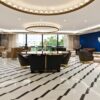

Indian offices are evolving into dynamic, technology-integrated spaces that foster creativity and productivity. Key trends include flexible layouts, ergonomic furniture, natural lighting, and eco-friendly materials. These designs prioritise employee wellness and collaboration, shaping future-ready workplaces that support hybrid work cultures and enhance overall organisational success
Indian offices are rapidly evolving from traditional rows of desks and chairs into vibrant environments that nurture creativity, improve focus, and boost productivity. This shift is particularly important for sectors like information technology, where integrating technology with workspaces is indispensable. Modern office interiors have become essential for creating workplaces that foster innovation and success.
The Importance of Thoughtful Office Interiors
A well-designed office directly impacts employee well-being, satisfaction, and performance. Research shows employees feel more motivated and engaged when their environments balance comfort and opportunities for collaboration. Moreover, workplace design is a key factor in attracting and retaining talent, with many professionals prioritising office aesthetics and functionality in their career decisions.
By carefully blending technology, aesthetics, and practical features, modern offices transform into dynamic spaces that inspire employees and enhance efficiency.
Core Principles of Smart Office Interior Design
-
Flexible Space Planning and Layout
Effective space planning encourages teamwork without sacrificing individual focus. Open layouts promote spontaneous collaboration, while quiet zones provide spaces for concentrated work. Many leading Indian companies have adopted hybrid office setups, offering diverse seating arrangements such as traditional desks, casual lounges, and standing workstations. This flexibility supports employees’ varying work styles and preferences.
-
Ergonomic and Comfortable Furniture
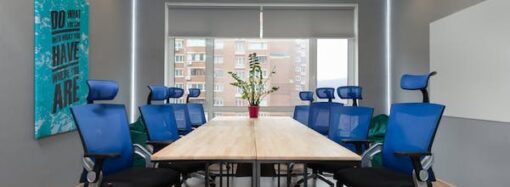
Employees often spend extended hours at their desks, making ergonomic furniture crucial to prevent discomfort and health problems. Poor seating can reduce productivity through fatigue and absenteeism. Modern offices feature adjustable chairs, sit-stand desks, and modular furniture to maintain employee comfort and wellness, enabling longer periods of focused work.
-
Optimal Lighting and Acoustics
Natural light enhances mood, reduces eye strain, and boosts alertness. Studies indicate improved employee performance in offices with ample daylight. Where natural light is insufficient, smart LED lighting provides consistent illumination. Acoustic solutions, like sound-absorbing panels, reduce noise distractions, enhancing the effectiveness of both collaborative and focused zones.
-
Seamless Technology Integration
Smart offices incorporate advanced technologies such as IoT-enabled lighting and climate control, AI-powered room booking systems, and high-quality video conferencing setups. These innovations improve convenience, cut down on logistical delays, and support hybrid and remote work arrangements.
Emerging Trends Reshaping Indian IT Offices
-
Breakout Spaces for Rejuvenation
Informal breakout zones allow employees to relax, socialise, and recharge, reducing stress and stimulating creativity. Google’s Gurugram office, for example, includes game zones and cafes that promote such wellness.
-
Incorporating Biophilic Design
Bringing nature indoors—through plants, natural wood textures, and green walls—boosts focus and reduces stress, as supported by research from Harvard. This approach also improves indoor air quality and employee mental health.
-
Emphasis on Eco-Friendly Materials
Sustainability is increasingly important in office design. Materials like bamboo furniture, recyclable panels, and energy-efficient fixtures combine environmental responsibility with a calming ambience that enhances workplace satisfaction.
-
Smart Meeting Rooms
Touchless controls, smart sensors, and integrated sound systems make conference rooms more efficient, reducing meeting delays and improving communication.
Choosing the Right Office Interior Designer
To create a workspace that reflects your company culture and operational needs, select an interior designer with proven expertise in hybrid and technology-driven office designs. Review portfolios and client feedback to ensure quality and creativity. Prioritising designers who focus on sustainable and adaptable solutions guarantees future-proof offices. Experienced firms such as Serein Spaces have established strong reputations for delivering smart workspaces in India.
Future-Proofing Workspaces for Dynamic Needs
The future of office design emphasises adaptability and employee wellness. Modular furniture and movable partitions allow spaces to change as requirements evolve. Tech-enabled workstations facilitate seamless collaboration between on-site and remote teams. Inclusion of natural light, ergonomic furniture, and sustainable materials supports healthier and more productive work environments.
Conclusion
Modern office interior design is more than enhancing aesthetics—it is a strategic investment that nurtures employee health, improves productivity, and stimulates innovation. Offices that adopt smart layouts, ergonomic furnishings, integrated technology, and sustainable materials create inspiring environments where employees can thrive.
Businesses aiming to build future-ready workspaces should partner with skilled interior designers who understand the nuances of Indian corporate culture and evolving workstyles. For trusted insights on workspace trends, productivity, and commercial real estate, following resources like The FlexInsights offers invaluable guidance.