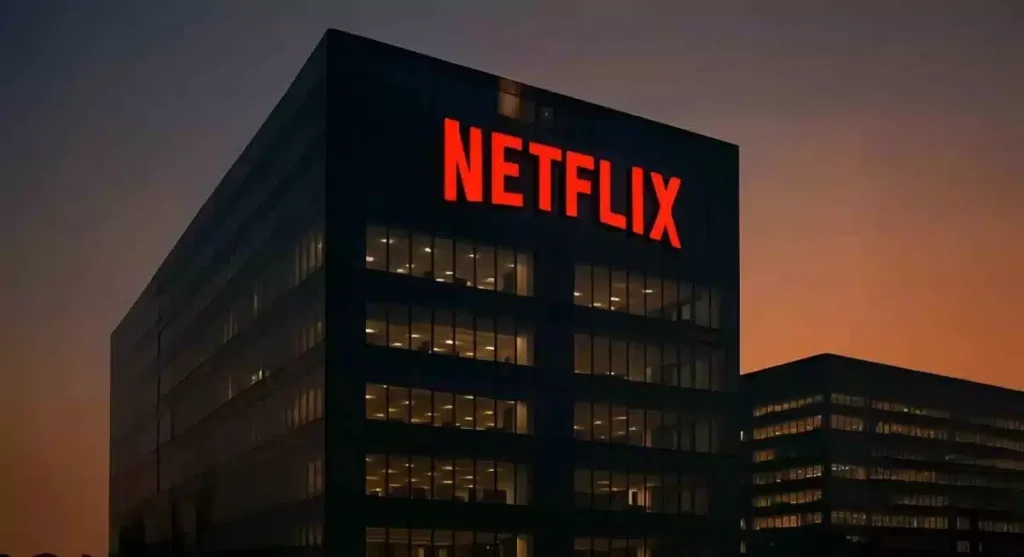
Netflix will open a 41,000 sq. ft. office in Hyderabad’s HITECH City—its second location in India, following Mumbai—to bolster regional content, production, and post-production workflows. The decision has sparked debates between Hyderabad and Bengaluru, highlighting infrastructure, congestion, and diversification. Social chatter captured the mood: “Hyderabad has offices, but Bangalore has the minds and the vibes, while Mumbai has money and Delhi has power.”
Netflix is establishing a second office in India, in Hyderabad, adding a 41,000 sq. ft. location in HITECH City to complement its existing presence in Mumbai. The new hub will support regional content development, project management, technical workflows, and vendor coordination across production and post-production. For India’s media supply chain, this translates into steadier pipelines, faster turnaround times, and expanded opportunities for local creators, studios, and service providers.
Why Hyderabad, and Why Now
Hyderabad has emerged as a powerful alternative to legacy hubs. Competitive office costs, improving urban infrastructure, and a maturing studio ecosystem make it attractive for content companies that need space, reliability, and speed. Choosing Hyderabad also spreads risk beyond one or two cities, giving Netflix flexibility as it scales language-first originals and localised formats for South and pan-India audiences.
The Bengaluru Debate Reignites
The choice sparked an online debate about Bengaluru’s current advantages and constraints. Supporters of Hyderabad cite smoother commutes, newer districts, and streamlined civic coordination. Critics of Bengaluru point to congestion and overstretched infrastructure as potential headwinds for time-sensitive media operations. One viral take summed up the city archetypes: “Hyderabad has offices but Bangalore has the minds and the vibes, while Mumbai has money and Delhi has power.”
Diversification Over Concentration
Many observers welcomed what they see as healthy geographic diversification. Spreading large footprints across cities can ease pressure on infrastructure, reduce operational risk, and tap different talent pools—from engineers and editors to line producers, sound designers, colourists, and compliance specialists. It also encourages vendors to scale in new clusters, strengthening India’s capacity to deliver high-volume, high-quality content for both domestic and global audiences.
Implications for Real Estate and Ecosystem Players
For commercial real estate, Netflix’s 41,000 sq. ft. commitment underscores demand for premium, tech-ready offices near studios and post facilities. Flexible workspace operators may benefit from swing space during peak production cycles, while landlords with soundproofing, redundant power, high-bandwidth connectivity, and secure media rooms will have an edge. The halo effect typically draws in adjacent services—such as VFX, ADR, QC, accessibility, and security vendors—multiplying employment and spending in the district.
What to Watch Next
Key signals to track include hiring across production ops and post, vendor onboarding, and the pace of regional commissions tied to the new hub. If output rises as expected, Hyderabad’s role in India’s screen economy could expand quickly—proving that where you build the back-end often shapes what, how, and how fast the audience gets to watch.