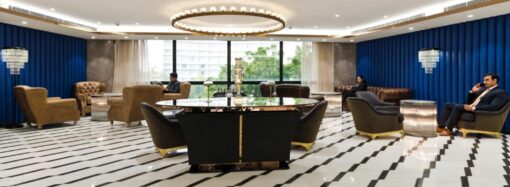

Bengaluru’s commercial real estate market is becoming more selective as businesses look beyond rent and floor space. Connectivity, flexibility, sustainability and employee experience are gaining importance. GCC expansion continues to support demand, while managed offices and flexible workspaces offer companies greater adaptability as workforce needs and operating models evolve.
Bengaluru remains one of India’s strongest office markets, supported by technology companies, Global Capability Centres (GCCs), startups and financial services firms. But as occupiers get more selective, the definition of a good office location is changing.
Businesses are increasingly assessing how easily employees can reach the workplace, how accessible it is for clients and whether the surrounding area can support future expansion. Connectivity to major roads and public transport, proximity to residential catchments, and access to everyday amenities are becoming important factors in the decision.
This is also bringing infrastructure-led locations into consideration alongside established business districts, particularly where residential and commercial development are growing together.
Quality Is Becoming a Bigger Part of the Decision
Lower rent is no longer enough to make an office attractive. Occupiers are increasingly looking at professionally managed buildings with reliable infrastructure, efficient floor plates, security, parking, modern amenities and effective property management.
The shift is often described as a “flight to quality”, with companies showing greater preference for well-connected, future-ready buildings rather than choosing space purely based on rental cost.
For businesses taking longer-term leases, building quality can also influence employee experience and operating costs. This makes the physical workplace part of a broader business decision rather than simply a real estate expense.
Flexible Workspaces Add More Choice
The traditional model of committing to a fixed office footprint for several years is also being reconsidered. Managed offices, coworking spaces and other flexible workplace models are becoming part of commercial real estate strategies.
Flexibility allows businesses to adjust their footprint as hiring plans, workforce sizes and operating models change. A growing company may need additional seats within a short period, while another may need to consolidate its space.
This is particularly relevant for companies operating in Bengaluru’s fast-changing technology ecosystem, where workplace requirements can shift quickly.
GCCs and Sustainability Reshape Office Demand
GCCs remain a major force in Bengaluru’s office market. Their operations increasingly cover technology, engineering, analytics, research and development and finance, creating demand for quality workplaces that can attract specialised talent.
Their expectations are also influencing the wider office market. Other businesses are increasingly looking for workplaces that support collaboration, employee experience and long-term growth.
Sustainability is becoming another part of this equation. Energy-efficient systems, green certifications and sustainable building design are gaining importance as companies align real estate decisions with wider environmental goals and seek greater efficiency in operating costs.
At the same time, occupiers are looking beyond headline rent to consider the total cost of occupancy, including maintenance, parking, fit-outs, utilities, lease escalations, and deposits.
Bengaluru’s next phase of commercial real estate growth is therefore likely to be shaped by more than new office supply. For landlords, developers and flexible workspace operators, the opportunity lies in delivering workplaces that combine location, connectivity, quality, flexibility and long-term usability.