
India's Leap Towards Sustainable & Innovative Workspace Design
- Industry News
- March 13, 2024

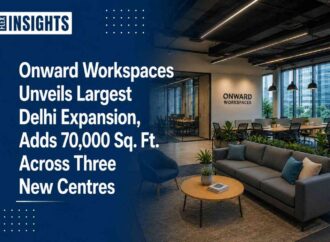
Onward Workspaces has announced its largest single-city expansion by launching three new centres in Delhi. The project will add nearly 70,000 sq. ft. of managed workspace and over 1,150 workstations across Okhla, Janakpuri, and Connaught Place, reinforcing the company’s long-term growth strategy in the Delhi-NCR office market.
READ MORE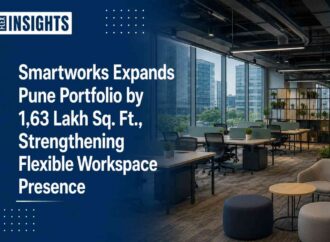
Smartworks has expanded its Pune portfolio by adding 1,63,942 square feet of managed office space. Backed by a ₹25 crore investment, the new facility is expected to become operational in July 2026, supporting the company’s business growth as demand for enterprise-focused flexible workspaces continues to rise across India.
READ MORE
Flexible workspace platform Stylework has raised $1 million in the second close of its pre-Series B funding round led by Auxano Capital. The fresh capital will support expansion into Tier I and Tier II cities, strengthen its AI-driven workspace platforms, enhance enterprise partnerships, and accelerate workspace digitisation across India.
READ MORE
Nuvama Asset Management and Cushman & Wakefield have closed their ₹4,000 crore PRIME Offices Fund, surpassing its initial target due to strong investor demand. Nearly 45% of the capital has already been deployed into premium office assets, with GCCs occupying more than half of the fund’s commercial portfolio.
READ MORE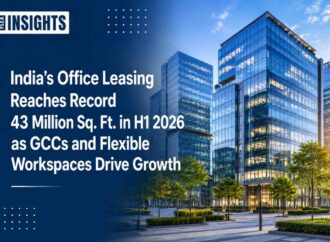
India’s office market recorded a historic 43 million sq. ft. of gross leasing in H1 2026, up 5% year-on-year despite global uncertainty. GCCs and flexible workspace operators led demand, while lower new supply pushed vacancy to post-pandemic lows, strengthening rental growth and reinforcing confidence in India’s commercial real estate sector.
READ MORE
Smartworks has completed the acquisition of Singapore-based Workstudio Spaces, expanding its managed workspace portfolio in the city to over 76,000 square feet across four centres. The deal adds more than 45 enterprise clients and over 1,500 seats, strengthening the company’s position in Singapore’s growing flexible workspace market.
READ MORE








theflexinsights.com is a platform aiming at being the go-to place for insights, trends and predictions about coworking and flexible workspaces in India. It aims at connecting individuals, businesses and workspaces to create a fostering environment and to propel growth for the overall coworking and flexible workspaces industry within India.
Vatika towers, Golf course road, Gurgaon
India
info@theflexinsights.com